
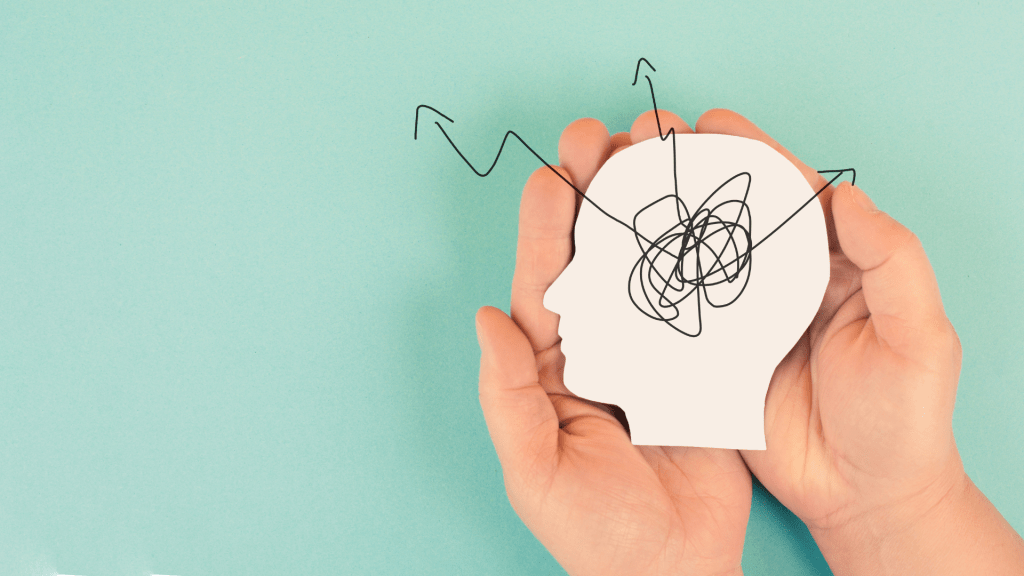
Is It Time to Seek Counselling? Probably!
Everyone experiences anxiety or stress, sadness, mood swings, and frustration at some point or another in their lives. There are many reasons for this: rejection, financial hardships, relationship issues, professional setbacks, personal losses, etc. Generally, we’re able to recover eventually, but sometimes we may need a little extra support to do so.
Perhaps you just can’t seem to “bounce back” or “snap out of it”. Maybe you’re becoming aware of negative patterns of unhealthy habits you can’t break. Or you’re just feeling empty and low. Sometimes, mental and emotional distress isn’t so obvious and can be more difficult to determine.
Seeking counselling is NOT a sign of weakness, nor is it anything to be ashamed of. Admitting that you need help and reaching out to get it is essential to learning, growth, and healing. It’s also important to note that you can benefit from counselling without having hit “rock bottom” or been diagnosed with a mental health condition. Talking to a counsellor does NOT mean anything is wrong with you.
Counselling is a common intervention for various mental health challenges, but it can also help with day-to-day issues and problems. Counselling is a process that involves the client talking with a counsellor about their mental health issues or anything else that may be causing them distress, so that they can learn helpful tools to work through their struggles and forge a new, healthy, happy lifestyle. Perhaps something is worrying you at the moment, or you need to change a certain area of your life, or maybe you need support and guidance with issues from your past that recent events have triggered.
Counselling can benefit anyone struggling with wellness problems, mental health concerns, adjustment crises, or emotional challenges. If you feel that your mental health is impacting your everyday life, or you just want a little more help on your journey, collaborating with a counsellor may be advantageous to you. Counselling is not just for people with mental health struggles or in crisis mode – nearly everyone can benefit from counselling.
Think of counselling the way you would a routine health checkup. While it’s necessary to consult a doctor when emergencies occur, it can also be good to see a doctor for a routine health checkup to identify problems and treat them before they deteriorate into crises. Similarly, you don’t need to be experiencing a crisis to benefit from counselling.
People seek counselling for many reasons, from needing someone to talk with to adjusting to a new reality. Counselling can be one-on-one, in a couple or a group setting, either face-to-face or online.
How Can Counselling Help Me?
Anyone can benefit from counselling if they are comfortable enough with their counsellor and willing to engage in the counselling process.
Counselling is recommended when any stressor, mental health or emotional challenge impacts day-to-day life and functioning. Counselling can help you learn about what you’re feeling, why you are feeling that way, and what you need to cope better. It provides a safe, confidential, non-judgmental place to talk through your experiences, explore your options, and develop the necessary skills to deal with life transitions, for example, breakups or divorce, family conflict, relationship struggles, grief and loss, parenting difficulties, and illness.
Counselling can enhance your resilience and help you process past traumas. It can improve your relationships and communication skills. Additionally, counselling can facilitate making healthy, helpful decisions and working through unhealthy, harmful habits, thoughts, or behavioural patterns.
Ask for help.
Les Brown
Not because you are weak.
But because you want to remain strong.
Signs You May Benefit From Seeking Counselling
You may benefit from seeking counselling if you are experiencing emotional distress that is disrupting your everyday life.
Signs you may benefit from seeking counselling include:
- Feeling stressed, anxious, or having intrusive thoughts.
- Overthinking.
- Experienced a traumatic event.
- Having trouble coping with a loss, be it a person or relationship.
- Feeling as though you are unable to “switch off”.
- Feeling overwhelmed with everything in general, or because you have too many things or problem to cope with.
- Finding it hard to rest or even breathe.
- Going through a significant change.
- Feeling low and tearful.
- More easily getting angry.
- Struggling to regulate your emotional state, for example, experiencing disproportionate anger and frustration.
- Sleeping more or less than usual, or getting less quality sleep.
- Eating more or less than usual.
- Wanting to improve yourself and self-actualise.
- Isolating yourself and withdrawing from social activities.
- Feeling uninterested in activities you previously enjoyed, the world around you, or life in general.
- Struggling at school or work.
- Feeling hopeless, helpless, and trapped.
- Having low energy, or feeling fatigued.
- Having difficulty concentrating or completing small tasks.
- Using substances (for example, drugs, cigarettes, or alcohol) to help you make it through the day.
- Having thoughts of harming yourself or feeling as though you don’t want to be here anymore.
These symptoms may signal that you’ve recently experienced a stressful or traumatic event that is affecting how you’re feeling. Alternatively, it may be an indication of an existing mental health condition, for example, anxiety or depression.
If these presenting problems and emotions are negatively affecting your well-being and impacting your ability to cope with daily life, you must seek help.
Note that counsellors cannot diagnose or treat mental health conditions, but they can refer you to the appropriate mental health professional and offer support.
When Should I Seek Counselling?
Seeking counselling is YOUR choice. If you feel forced into counselling, you may resist the process and find it more difficult to put in the work needed to effect lasting change. It may take some time and consideration before you decide to seek counselling. You may want to wait and see if support from loved ones, lifestyle changes, new coping strategies, or time improves your situation. However, you should strongly consider seeing a counsellor when something causes distress and disrupts your daily life or has negatively affected your quality of life. It’s particularly necessary to seek counselling if you feel controlled by your situation or if it could cause you to hurt yourself or others.
The sooner you seek counselling, the sooner you will reap the rewards.
What if I’ve Tried Counselling Before but It Didn’t Work?
Sometimes counselling doesn’t “work” immediately. Even in an ideal counselling situation, time may be required for challenges to improve. Seeing no changes when seeking counselling may result in frustration. Maybe you haven’t found the right counsellor, making it worth continuing your search. Counselling should still be an option. Most counsellors will let you know if they can support you with your concerns. If they can’t, they may be able to refer you to someone who can. If you didn’t feel heard in your previous counselling, or if your difficulties have changed since your last counselling session, a different counsellor may be just what you need to adjust successfully.
Don’t give up on improving your mental health! It can take some time, but it will be worth it!
I Think I Need Counselling – What Now?
Once you’ve decided to seek counselling for your mental health struggles or other challenges that you are facing, it’s important to take the next steps when it comes to finding a counsellor.
Share any specific goals you may have for counselling upfront with your counsellor. Even if your goals evolve, it’s a good idea to keep them in mind.
Remember, you don’t have to struggle on your own. There is help for whatever challenges you’re having or mental health issues you are experiencing. Counselling can support you in working through your difficulties in a safe, secure, and highly empathic environment, empowering you to take back control of yourself and your life.
Take that next step today and reach out, because nurturing your mental health and prioritising wellness helps you cope with everyday stressors and work through problems more effectively. This is why it’s necessary to look after your emotional well-being and seek help if you feel things are spiralling.
Anyone can benefit from counselling. Wanting to try counselling is enough reason to give it a go.
Interested in Receiving Counselling?
Send an email to thebloomingpractice@gmail.com or a WhatsApp message to +27 71 342 9810 to make an appointment with me or ask any questions.
I will respond in between seeing clients during the following South African business hours (GMT +2):
- Monday: 08h30 – 19h00 (excluding 10h30 to 13h00)
- Tuesday: 08h30 – 19h00 (excluding 10h30 to 13h00)
- Wednesday: 08h30 – 19h00 (excluding 10h30 to 13h00)
- Thursday: 08h30 – 19h00 (excluding 10h30 to 13h00)
- Friday: Closed
- Saturday: Closed
- Sunday: 09h00 – 13h30
In case of an emergency, go to your nearest police station or to the emergency room of your nearest hospital.
Excited to hear from you!



 The Blooming Practice
Leave a reply to How to Choose a Counsellor That’s Right for You – The Blooming Practice Cancel reply