
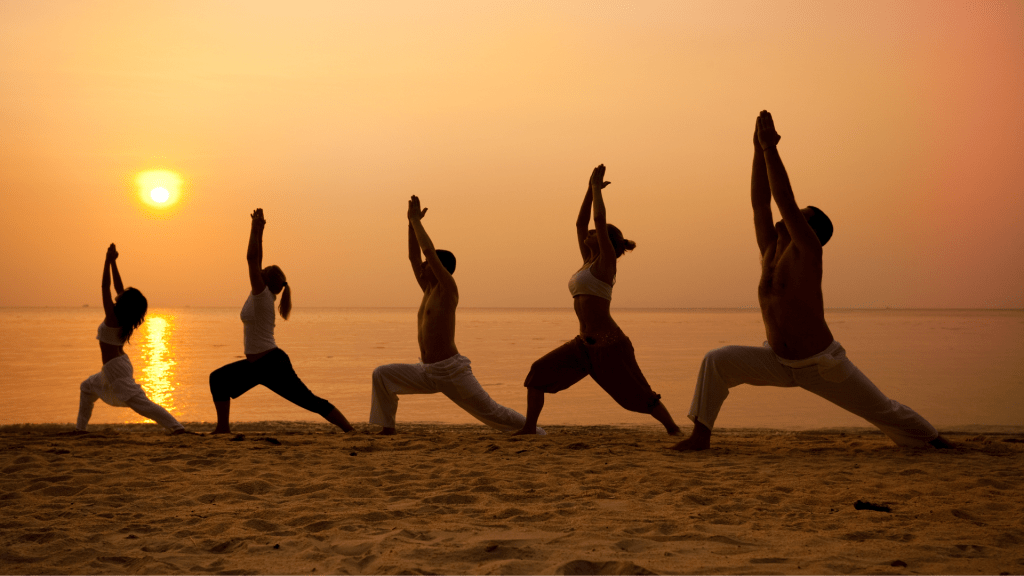
Trauma-Sensitive Yoga
I am currently completing two trauma-sensitive yoga facilitator training courses that will enable me to offer trauma-sensitive yoga to my clients. I hope to obtain this qualification in the next year.
What Is Trauma-Sensitive Yoga?
Trauma-sensitive yoga is a gentle, supportive approach to yoga designed to create a safe, empowering space for individuals who have experienced trauma. Unlike traditional yoga classes that may focus on performance, alignment, or pushing the body, trauma-sensitive yoga emphasises choice, bodily awareness, and self-regulation.
In a trauma-sensitive yoga session, you are invited to reconnect with your body in a compassionate, non-judgmental way. The practice focuses on helping you notice and understand physical sensations, learn to respond to your body’s cues, and develop a sense of safety and grounding. Movements are slow, intentional, and adaptable to your comfort level, allowing you to engage only as much as feels safe and supportive.
Key elements of trauma-sensitive yoga include:
- EMPOWERMENT AND CHOICE: You are always in control of your body and your movements. Teachers offer options rather than instructions, creating a sense of agency and autonomy.
- SAFETY AND PREDICTABILITY: Classes provide clear, consistent guidance in a calm environment, minimising surprises and promoting a sense of stability.
- MINDFUL AWARENESS: Gentle attention is paid to breath, bodily sensations, and posture, helping you cultivate awareness without judgment.
- STRESS REGULATION: Practices often include grounding, breathwork, and mindfulness exercises designed to support nervous system regulation and emotional resilience.
- INCLUSIVITY: Trauma-sensitive yoga is accessible to all bodies, abilities, and experience levels, focusing on comfort rather than performance.
As a trauma-sensitive yoga facilitator, I will guide sessions with sensitivity, respect, and understanding, prioritising your safety and emotional well-being. This practice can support healing from past trauma, reduce anxiety, improve emotional regulation, and strengthen your connection to your body in a nurturing, compassionate way.
Whether you are new to yoga or have practised before, trauma-sensitive yoga offers a welcoming space to move, breathe, and reconnect with yourself — at your own pace.
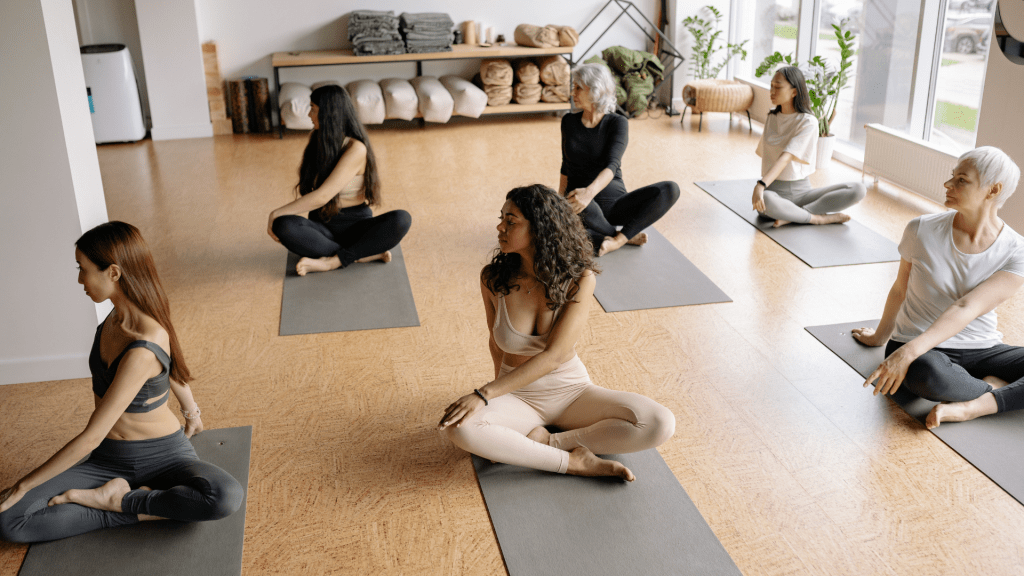
What Trauma-Sensitive Yoga Is NOT
Trauma-sensitive yoga is NOT:
- A REPLACEMENT FOR MENTAL HEALTH: While it can complement healing and support emotional regulation, it is not a substitute for therapy, counselling, or medical care.
- ABOUT PUSHING YOUR BODY OR ACHIEVING A “PERFECT” POSE: There is no emphasis on flexibility, strength, or performance. The focus is on comfort, safety, and choice, not on reaching a particular physical standard.
- TRIGGERED OR FORCEFUL: Unlike some yoga classes where movements might be physically demanding or fast-paced, trauma-sensitive yoga avoids triggering positions, surprises, or pressure. You always have autonomy over your participation.
- ONE-SIZE-FITS-ALL: Every class is adaptable to individual needs. It does not assume all participants can or should do the same movements.
- EMOTIONALLY UNSAFE: The environment is designed to feel calm, predictable, and supportive, not competitive, judgmental, or high-pressure.
Instead, trauma-sensitive yoga sets a clear boundary that safety, choice, and personal empowerment come first.
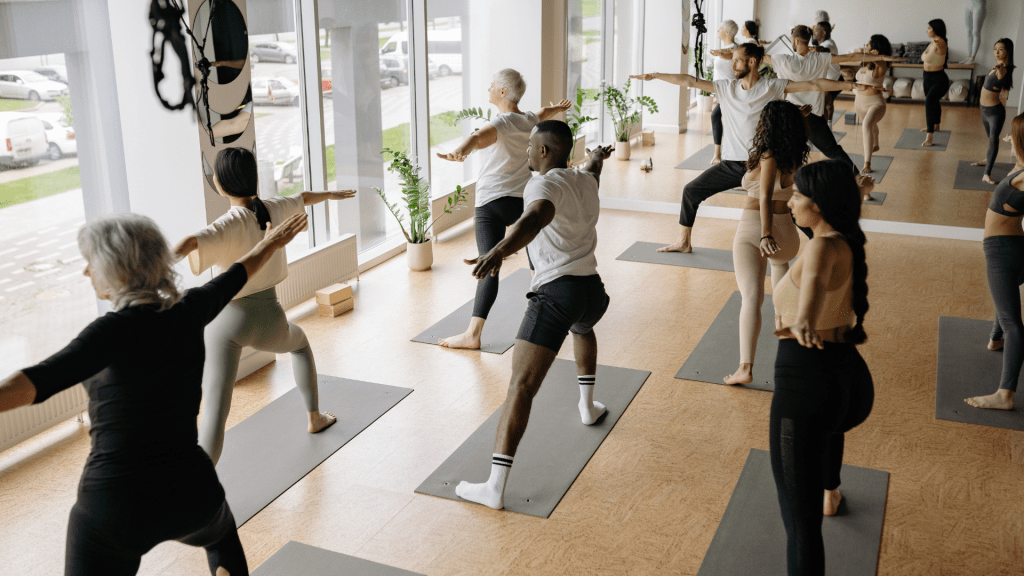
The Benefits of Trauma-Sensitive Yoga
Trauma-sensitive yoga supports healing, empowerment, and reconnection with the body in a gentle, non-judgmental way. While every person’s experience is unique, participants often report a wide range of physical, emotional, and mental benefits, including:
Nervous System Regulation
- Supports calming and balancing the nervous system.
- Helps reduce hyperarousal (feeling “on edge”) and hypoarousal (feeling numb or disconnected).
- Encourages healthy stress response and self-soothing.
Emotional Awareness and Resilience
- Promotes mindfulness and present-moment awareness.
- Increases emotional self-regulation.
- Helps create a sense of safety and stability within the body.
Reconnection With the Body
- Encourages awareness of bodily sensations in a safe way.
- Fosters a sense of ownership and autonomy over one’s body.
- Helps release tension and stored trauma gently.
Improved Mental Well-Being
- Can reduce symptoms of anxiety, depression, and trauma-related stress.
- Supports grounding and presence in daily life.
- Encourages a compassionate relationship with oneself.
Physical Comfort and Movement
- Enhances mobility, flexibility, and gentle strength without pressure.
- Teaches body-safe movement and mindful posture.
- Reduces physical tension associated with trauma.
Empowerment and Choice
- Builds confidence through autonomy over movements and participation.
- Reinforces personal boundaries and self-trust.
- Provides a sense of control over the body and space.
Community and Support
- In group sessions, fosters connection in a safe, supportive environment.
- Encourages empathy and shared healing without judgment.
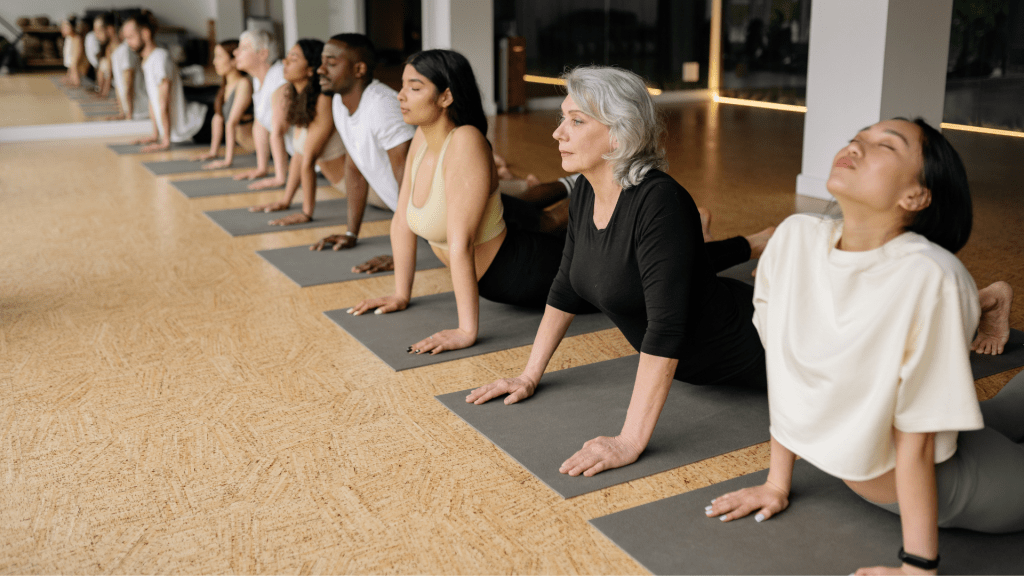
The Limitations of Trauma-Sensitive Yoga
While trauma-sensitive yoga can be a powerful tool for healing and self-regulation, it does have limitations:
Not a Substitute for Medical Care or Mental Health Treatment
- Trauma-sensitive yoga complements — but does not replace — professional mental health treatment, such as therapy and counselling, or medical care.
- It is not a treatment for diagnosed mental health conditions, though it can support well-being alongside professional support.
Healing Is Individual and Non-Linear
- Results vary from person to person, and progress can be gradual.
- Some participants may notice immediate benefits, while others may take longer to feel changes.
Limited Scope for Severe Trauma Processing
- Trauma-sensitive yoga focuses on body awareness, grounding, and regulation, not on in-depth trauma processing.
- It is not designed to replace trauma counselling, trauma-focused therapy, EMDR, or other specialized trauma treatments.
Physical Limitations
- While movements are gentle and adaptable, participants with specific injuries or medical conditions may need to modify or avoid certain postures.
- Always consult a healthcare provider if you have physical limitations or medical concerns before starting any movement practice.
Emotional Activation Can Occur
- Becoming aware of bodily sensations may occasionally bring up emotions or memories.
- Facilitators are trained to guide participants safely, but yoga itself cannot “erase” trauma or guarantee emotional release will be comfortable.
Requires Commitment and Consistency
- Benefits are most noticeable when practiced consistently over time.
- A single session may provide temporary relief, but sustained practice is often needed for long-term benefits.
How Trauma-Sensitive Yoga Works
Trauma-sensitive yoga works by creating a safe, supportive environment that allows individuals to reconnect with their bodies, regulate their nervous system, and cultivate self-awareness — without pressure, judgment, or risk of re-traumatisation.
Creating Safety and Choice
Safety is the foundation of trauma-sensitive yoga. Participants are empowered to make their own choices about which movements, postures, or practices feel comfortable. The facilitator uses invitational language (“you might try…” rather than “you must…”) and provides options for every movement. Predictable pacing, clear instructions, and a calm environment reduce the risk of triggering past trauma.
Reconnecting Mind and Body
Trauma often causes disconnection from the body. Trauma-sensitive yoga gently encourages participants to notice sensations, tension, and posture in a mindful way. By observing and responding to bodily cues without judgment, participants begin to rebuild trust in their body and its signals.
Regulating the Nervous System
The practice incorporates slow movement, breath awareness, grounding, and mindfulness to help balance the nervous system. These tools can reduce stress responses, ease hyperarousal (feeling “on edge”), and help navigate moments of emotional overwhelm.
Cultivating Awareness and Self-Compassion
Participants learn to notice physical and emotional sensations, increasing self-awareness and emotional resilience. The practice fosters a compassionate, non-judgmental relationship with oneself, emphasising that all experiences — emotions, sensations, and limits — are valid.
Gentle, Accessible Movement
Movements are slow, intentional, and adaptable to all abilities, focusing on comfort rather than performance. Even simple postures and mindful breathwork can support relaxation, release tension, and strengthen the connection between mind and body.
Gradual Healing and Empowerment
Over time, participants often report feeling more grounded, emotionally regulated, and in control of their body and reactions. Trauma-sensitive yoga empowers individuals to reclaim a sense of agency, autonomy, and safety in their own bodies.
What You Need for Trauma-Sensitive Yoga
One of the strengths of trauma-sensitive yoga is that it is accessible and adaptable—requiring very little to get started. Most importantly, all you need is your willingness to connect with your body at your own pace.
1. Comfortable Clothing
- Wear clothing that allows you to move freely and feel comfortable.
- There’s no need for special yoga attire — anything you can move in easily works.
2. A Safe, Quiet Space
- A calm environment helps you feel secure and focused.
- If practising at home, find a spot where you won’t be disturbed.
3. A Yoga Mat or Soft Surface
- A mat provides cushioning for floor-based movements and postures.
- If you don’t have a mat, a rug, towel, or carpeted area can work.
4. Optional Props
- Blocks, bolsters, blankets, or cushions can make poses more comfortable and supportive.
- Props are used to enhance comfort, not to complicate the practice.
5. Open Mind and Willingness
- Trauma-sensitive yoga emphasizes choice and self-awareness.
- The most important “equipment” is your willingness to notice your body, breathe, and participate at your own pace.
6. Optional Support
- Some participants may choose to have a counsellor or therapist support them alongside yoga, though it is not required.
- A trauma-sensitive facilitator guides the practice to ensure safety, autonomy, and comfort.
Fees and Rates
As I am still in training to become a trauma-sensitive yoga facilitator, I am not yet taking on any clients seeking trauma-sensitive yoga classes.
Loading… Coming Soon…
Interested in Doing Trauma-Sensitive Yoga?
Send an email to thebloomingpractice@gmail.com or a WhatsApp message to +27 71 342 9810 to make an appointment with me or ask any questions.
I will respond in between seeing clients during the following South African business hours (GMT +2):
- Monday: 08h30 – 19h00 (excluding 10h30 to 13h00)
- Tuesday: 08h30 – 19h00 (excluding 10h30 to 13h00)
- Wednesday: 08h30 – 19h00 (excluding 10h30 to 13h00)
- Thursday: 08h30 – 19h00 (excluding 10h30 to 13h00)
- Friday: Closed
- Saturday: Closed
- Sunday: 09h00 – 13h30
In case of an emergency, go to your nearest police station or to the emergency room of your nearest hospital.
Excited to hear from you!


 The Blooming Practice