Group Counselling
What Is Group Counselling?
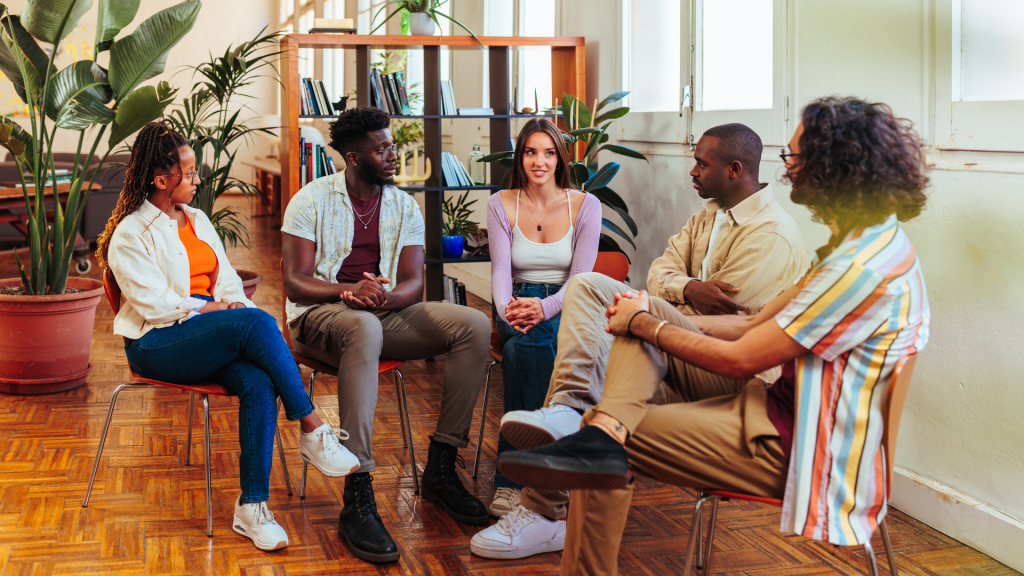
Group counselling involves one or more counsellors working with several individuals at the same time. It is sometimes used alone but is also frequently integrated with individual and couples counselling. Groups can be as small as three or four, but group counselling often involves around eight to twelve people.
Group counselling sessions can be either open or closed. New participants are invited to join open sessions at any time. Closed sessions consist of a core group of members participating.
Group counselling can help for a range of adjustment crises and issues, such as:
- Difficulties with emotional regulation (e.g. anger management).
- Stress management.
- Divorce.
- Domestic violence.
- Grief and loss.
- Bullying.
The Benefits of Group Counselling
- ALTRUISM: Members of the group can help each other and share their strengths, helping to promote confidence and self-esteem.
- UNIVERSALITY: Forming part of a group of people with similar or shared experiences enables individuals to see that what they are going through is universal and that they are not alone.
- GROUP COHESIVENESS: Members of the group unite in working towards a common goal, creating feelings of acceptance and belonging.
- MODELLING: Individuals can observe and imitate the behaviour of other group members and/or the counsellor.
- DEVELOPMENT OF NEW BEHAVIOURS/SKILLS: Group members can learn to replace destructive and unhelpful behaviours in real life to practice more functional, healthy behaviours in group counselling. The group setting creates a safe and supportive environment, allowing group members to experiment without the fear of failure or judgment.
- PERSONAL DEVELOPMENT: Through interaction with other members of the group and receiving feedback from them and the counsellor, participants can improve their awareness, understanding, and connection to themselves.
- LEARNING FROM EACH OTHER: Group members can help each other by sharing information, knowledge, and experience.
- CATHARSIS: Sharing experiences and feelings with others can alleviate stress, pain, and guilt.
- EXISTENTIAL INFLUENCE: Counselling within a group offers support and guidance, but it also helps members realise and acknowledge that they are responsible for their own lives, choices, and actions.
- HOPE: The group usually consists of members at different stages of a process. Seeing others who are coping can give hope to individuals at the start of this process.
- AFFORDABILITY: The cost per session per person for group counselling is much more affordable than per session per person for individual or couples counselling.
The Risks of Group Counselling
A competent, qualified counsellor can mitigate the risks of group counselling. Part of the group counselling process also involves developing rules that promote participation and builds trust.
Group members with different backgrounds and personalities can lead to disagreements and confrontations. Group counselling also has less confidentiality as group settings may not be as private as individual counselling. Additionally, interpersonal conflicts can arise due to different communication styles or coping mechanisms, leading to group tension. Furthermore, group members may become emotionally involved with each other.
Competitive comparisons may occur when group members compare their conditions or experiences. They may also give unsound medical advice. Some members are disruptive or seek to dominate conversations. In addition, group members with trust issues may struggle to confide in the rest of the group. Individuals with social phobia may not struggle to participate in group counselling.
Alone we can do so little.
Helen Keller
Together we can do so much.
How It Works…
All counselling sessions are held using Google Meet or WhatsApp voice call (emergencies only!). Each counselling session is at least 50 minutes long. The duration of the group counselling session depends on the size of the group, the age group of the participants, the counselling needs of the group, and how often the group should meet.
The First Group Counselling Session
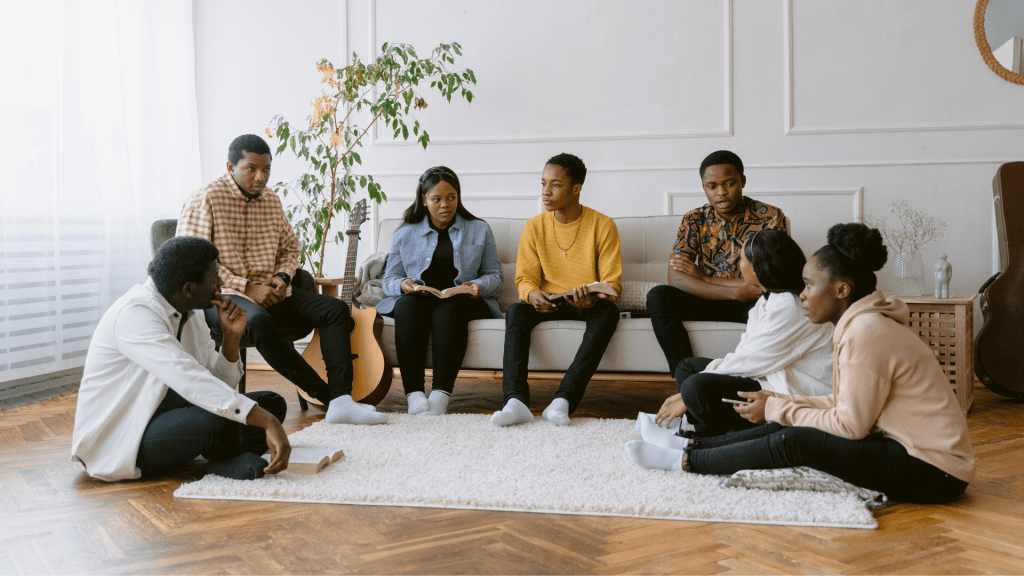
The group counselling session will begin with the counsellor and members of the group introducing themselves and sharing why it is they are in group counselling and what they hope to gain from the process.
At the first counselling session, I generally collect information about each group member and their needs. You may be asked to fill out forms about your physical and mental health. It can take a few sessions for me to fully comprehend the group’s situation and concerns, and design an intervention.
The first counselling session is also a chance for the group to interview me. You will be able to see whether my approach and personality are the right fit for you. You should make sure to understand and agree with the goals of the counselling process, how long each session will be, how many counselling sessions you will need, and what type of intervention can be used.
Feel free to ask any and as many questions as you want!
Subsequent Group Counselling Sessions
Members of the group will be invited to share relevant experiences, challenges, and progress since the last meeting.
The exact manner in which the counselling session is conducted and any group activities vary from group to group. Sometimes sessions consist of a more free-form style of dialogue where each member participates as they see fit. Other sessions, I may create a specific plan that could include participants practicing new skills or roleplaying with each other.
Most clients meet me weekly, every other week, or monthly for 50 minutes per session.
During your group counselling sessions, I will listen to your concerns and hold a space for you to explore your thoughts, feelings, and behaviour. I may ask questions, provide feedback, psycho-educate, and offer suggestions for coping with and addressing your issues.
I will aid you in identifying and addressing underlying issues that contribute to mental health concerns. By talking through your experiences and emotions, you will better understand the root causes of your struggles and develop strategies to address them. You can express your feelings and process difficult experiences in the safe space I create for your group. I will guide and support you in navigating challenges. Together, we will help you develop coping skills and strategies for regulating your emotions and managing your mental health concerns – especially if you’re struggling with complex life events and ongoing stressors.
I will challenge you to identify and acknowledge unhelpful patterns of thinking and behaviour to aid you in seeing difficulties more clearly from a different point of view. This is achieved by creating a warm, empathic, genuine, and non-judgmental environment with safety, trust, and confidentiality, wherein you can work through your issues. I borrow and integrate elements, principles, and concepts from various other theories and modalities to create a holistic view of my clients and underpin my interventions.
After a counselling session, I may ask you to complete specific activities or practice what you learned. Over time, discussing your concerns can help improve your mood and alter the way you think and feel about yourself. It can also improve your ability to regulate your emotions and cope with issues. You can expect the group dynamic to improve over time.
Find a group of people who challenge and inspire you, spend a lot of time with them, and it will change your life forever.
Amy Poehler

Fees and Rates
I reserve the right to offer discounts on fees and rates to clients at my discretion.
Summary of Fees and Rates for Group Counselling
| GROUP COUNSELLING | 50-Minute Session |
| Adolescents (13 to 17 years old) | ZAR 250.00 |
| Students (18 to 24 years old) | ZAR 250.00 |
| Adults (25 to 64 years old) | ZAR 350.00 |
| Pensioners (65 years and older) | ZAR 250.00 |
The power of one, if fearless and focused, is formidable, but the power of many working together is better.
Gloria Macapagal Arroyo

Interested in Receiving Counselling?
Send an email to thebloomingpractice@gmail.com or a WhatsApp message to +27 71 342 9810 to make an appointment with me or ask any questions.
I will respond in between seeing clients during the following South African business hours (GMT +2):
- Monday: 08h30 – 19h00 (excluding 10h30 to 13h00)
- Tuesday: 08h30 – 19h00 (excluding 10h30 to 13h00)
- Wednesday: 08h30 – 19h00 (excluding 10h30 to 13h00)
- Thursday: 08h30 – 19h00 (excluding 10h30 to 13h00)
- Friday: Closed
- Saturday: Closed
- Sunday: 09h00 – 13h30
In case of an emergency, go to your nearest police station or to the emergency room of your nearest hospital.
Excited to hear from you!
A boat doesn’t go forward if each one is rowing their own way.
Swahili Proverb


 The Blooming Practice